4 Rules for Removing Solar Panels Before a Kentucky Roof Repair
Replacing an aging roof is a major property upgrade that requires careful coordination between multiple contractors. When your home features a rooftop energy system, the logistics become significantly more complicated. At Southern Solar & Electrical Contracting LLC, we frequently act as the specialized solar panel removal company homeowners call before the roofers arrive. Removing these sensitive components safely requires strict adherence to electrical codes and handling protocols.
Many property owners assume their roofing crew can simply unbolt the array and set it in the yard while they work. Treating high voltage equipment like standard building materials inevitably leads to shattered glass, voided warranties, and severe safety hazards. We want to provide you with a clear set of rules to follow when preparing your home for a new roof. Understanding these technical requirements ensures your renewable energy system goes back up flawlessly.
What We Cover In This Guide
- Tip 1: Disconnect the Grid Safely
- Tip 2: Protect the Mounting Hardware
- Tip 3: Store Panels Properly
- Tip 4: Schedule Your Solar Panel Removal Company Around Roofing Timelines
- Frequently Asked Questions
Tip 1: Disconnect the Grid Safely
Solar arrays produce lethal amounts of direct current the moment the sun hits the glass. You cannot simply unplug the wires on the roof without properly isolating the entire system at the main electrical panel.
- System Isolation: A certified electrician must shut down the inverter and physically lock out the breakers to prevent accidental energization while the roofers are working.
- Arc Flash Prevention: Disconnecting panels under an active load creates a massive arc flash that will melt the connectors and cause severe electrical burns.
Tip 2: Protect the Mounting Hardware
The rails and brackets holding your system to the roof are precisely torqued to withstand heavy wind loads. Tearing these mounts out hastily will strip the threading and ruin the watertight flashings beneath the shingles.
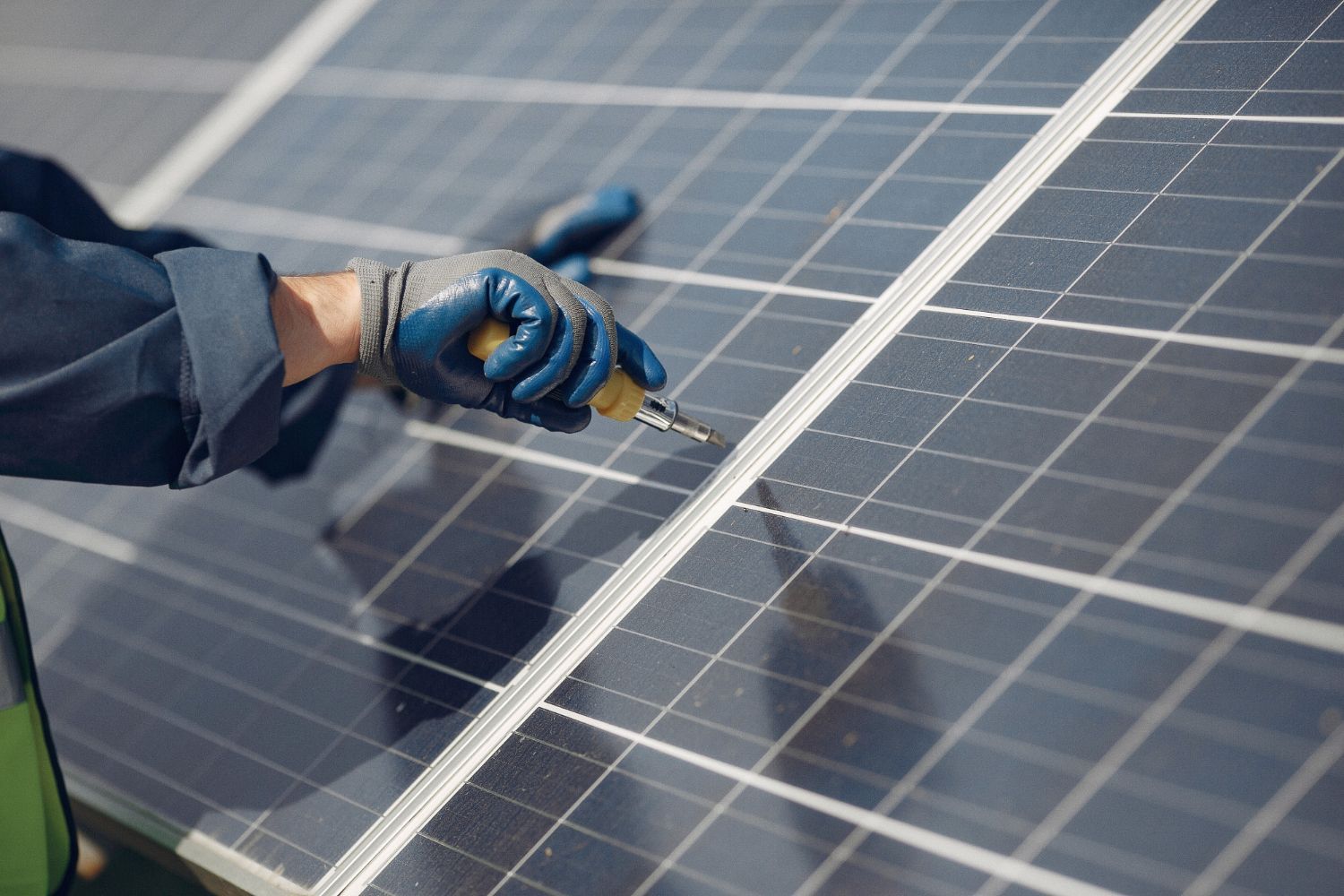
- Careful Extraction: Technicians use specialized tools to remove the lag bolts without snapping the heads off inside your wooden roof trusses.
- Hardware Inventory: Every single rail, clamp, and grounding lug must be cataloged and kept together to ensure the structural integrity remains intact during reinstallation.
It is a pattern the team at Southern Solar & Electrical Contracting LLC hears regularly when homeowners need fast and reliable project coordination.
► Client Experience: "These guys are awesome!! Called on a Wednesday and they were out at the house the next day to remove solar panels for a new roof to be installed. Came back on Saturday and reinstalled the panels. Extremely reasonable on their pricing as well, HIGHLY RECOMMEND!!!"
Having a dedicated crew manage the complex removal and reinstallation process keeps your roofing project moving smoothly, a reality Jeff Gipe noted during his own renovation.
Tip 3: Store Panels Properly
Photovoltaic glass is incredibly strong when mounted flat, but the edges are highly susceptible to shattering if bumped or dropped. Leaving panels leaning against the side of a house in St. Matthews invites disastrous accidents from falling debris or strong winds.
- Vertical Stacking: Panels must be stacked perfectly vertical on specialized padded racks to prevent pressure points from cracking the internal silicon cells.
- Weather Protection: The exposed wiring harnesses and microinverters should be kept in a dry, secure location to prevent moisture from corroding the delicate connection pins.
Tip 4: Schedule Your Solar Panel Removal Company Around Roofing Timelines
Timing the removal and replacement of your array requires exact scheduling between the solar technicians and the roofing crew. Delays on either side will leave your home exposed to the elements or leave you without power for weeks.
- Pre Roofing Removal: The system must be fully removed at least one day before the roofers arrive so they have a clean deck to begin tearing off the old shingles.
- Post Roofing Inspection: We wait until the local building inspector signs off on the new roof before we remount the rails, ensuring no one has to walk on the brand new shingles unnecessarily.
Frequently Asked Questions
How much does it cost to remove and reinstall solar panels?
The cost of removal and reinstallation depends heavily on the size of the array, the pitch of the roof, and the complexity of the wiring. Because the process requires two separate trips to the property and careful handling of high voltage gear, it is a significant labor investment. We provide transparent, upfront estimates after evaluating the exact mounting hardware and electrical configuration of your specific setup.
Can roofing contractors safely remove solar panels?
Standard roofing contractors are not licensed electricians and lack the technical training to manage active direct current loads. If a roofer attempts to disconnect the wiring harnesses improperly, they risk severe electrical shock and will likely break the delicate electrical connectors. Only a specialized solar and residential electrical services contractor should handle the active components of a renewable energy system.
Does removing solar panels void the equipment warranty?
If an unauthorized or unlicensed contractor removes the panels, the original equipment manufacturer will almost certainly void the performance and hardware warranties. The manufacturer requires proof that the system was handled and stored according to strict engineering guidelines. Hiring certified solar professionals guarantees your long term warranties remain completely intact throughout the entire roofing project.
Securing Your Investment During Renovations
Updating your roof should not mean putting your renewable energy system at risk of permanent damage. Trusting licensed professionals to handle the delicate removal and reinstallation keeps your property safe and your warranties valid. Contact our specialized team to coordinate your upcoming roof replacement and protect your solar investment.
Share This Blog