The Truth About Flat Roof Commercial Solar Panel Output in Kentuckiana
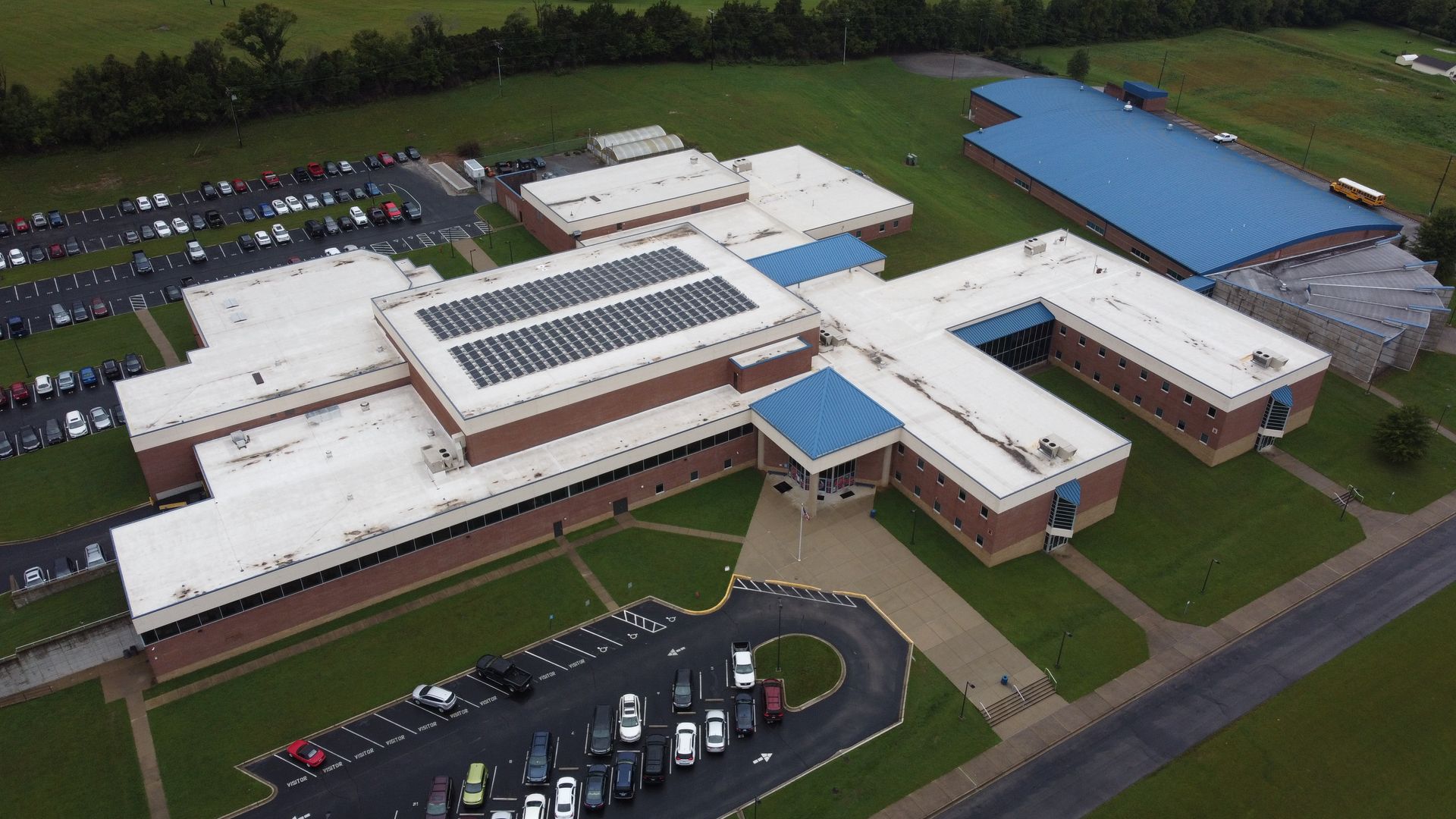
Adding renewable energy to a commercial facility is a brilliant financial strategy for modern business owners. At Southern Solar & Electrical Contracting LLC, we design and deploy massive rooftop arrays for warehouses, office buildings, and retail centers across Kentuckiana. However, many business owners enter these projects holding assumptions based entirely on residential pitched roof systems. The reality of engineering a high yield commercial array on a flat rubber roof requires a very different approach.
When a property manager looks at a sprawling flat roof, they often expect every panel to face perfectly south at a steep thirty degree angle. To protect the structural integrity of a commercial building, we utilize specialized ballasted racking systems that alter the standard output metrics. We want to set honest expectations about how flat roof geometry impacts your daily energy production. Understanding these engineering realities helps you make a confident investment in our commercial solar services.
In This Article:
- The Truth About Tilt Angles and Wind Loads
- Overestimating Individual Panel Peak Output
- How Module Density Offsets Angle Losses
- Frequently Asked Questions
The Truth About Tilt Angles and Wind Loads
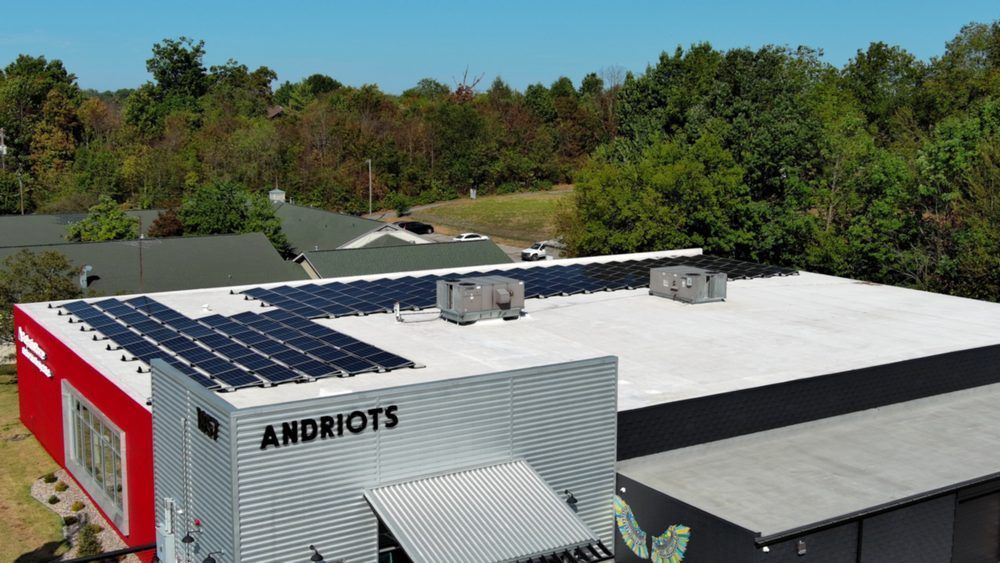
A steep panel tilt captures the most direct sunlight during the winter months, but it acts like a massive sail on a flat commercial roof. High winds whistling through downtown Louisville create severe uplift forces that could easily rip a steeply angled array off the building. To counteract this without drilling hundreds of holes through the waterproof membrane, we utilize aerodynamic ballasted racking.
→ From a professional standpoint: Commercial flat roof systems are typically tilted at a shallow five to ten degree angle to drastically reduce wind resistance and minimize the need for heavy concrete ballast blocks.
Overestimating Individual Panel Peak Output
A common overestimation property managers make is calculating their expected energy yield based on a perfect thirty degree residential pitch. Because the panels on a flat commercial roof sit at a much shallower angle, they do not face the sun directly during the lowest points of the winter solstice. This slight geometric disadvantage means that each individual panel will produce slightly less peak energy per hour than it would on an angled roof.
→ A quick tip to remember: The minimal loss in individual panel efficiency is a necessary engineering trade off to preserve your expensive commercial roof warranty and prevent membrane leaks.
How Module Density Offsets Angle Losses
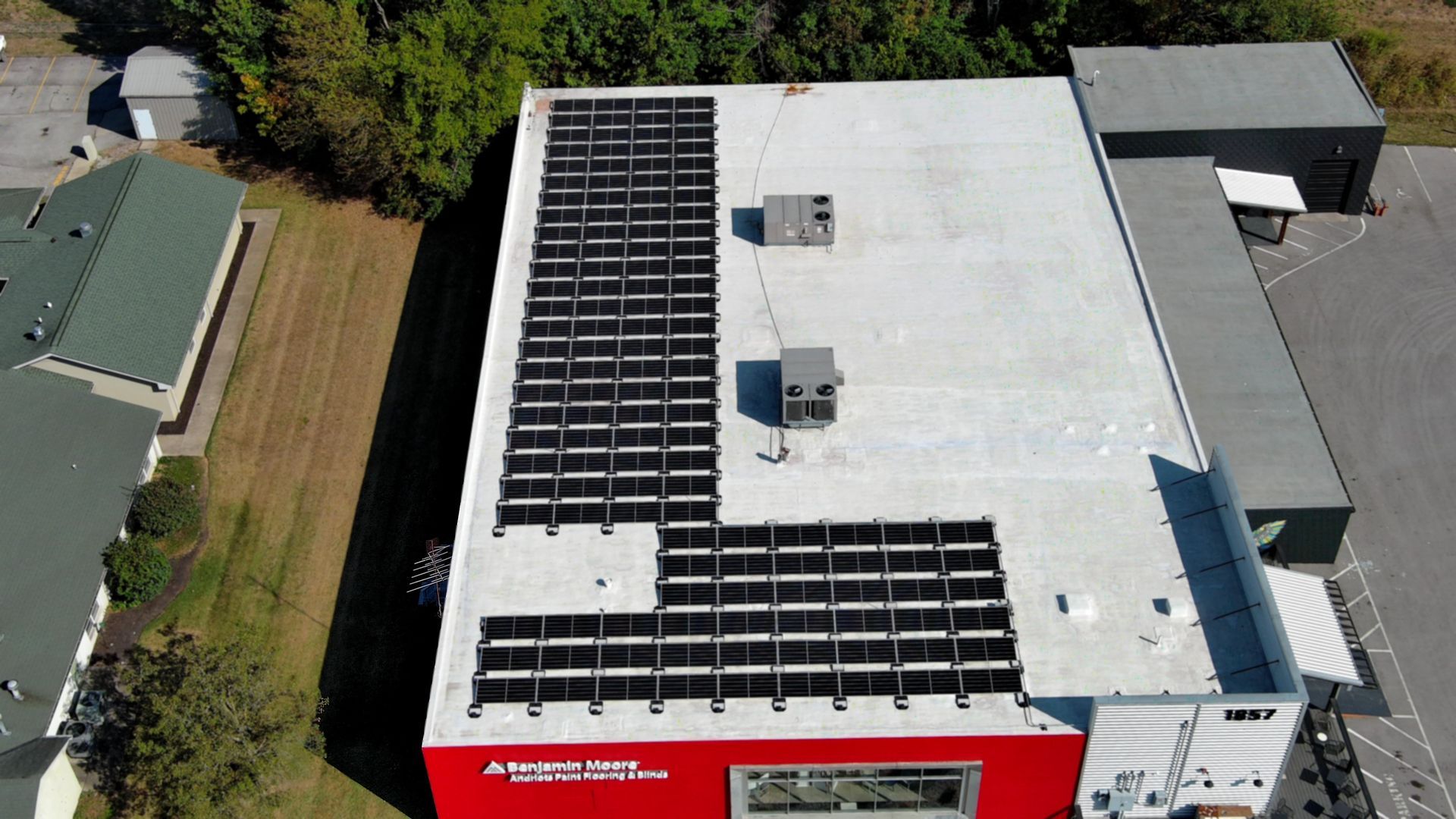
While a shallow tilt reduces individual output slightly, it completely changes the total capacity of your roof space. Steeply angled rows cast long shadows behind them, which forces installers to leave wide, empty walkways between every row to prevent panels from shading each other. A shallow ten degree ballast system casts a much shorter shadow, allowing us to pack the rows tightly together.
→ From a professional standpoint: Tightly packing the rows increases the overall module density, allowing us to fit significantly more panels on the roof and generate a higher total energy yield for the building.
This is something clients notice firsthand when we deliver customized designs that maximize their available footprint.
► Client Experience: "Excellent solar specialists that provide friendly and high quality service along with tier one equipment. It has been one of the best decisions I've made. My panels produced 18% more than projected in the first month of operation, and the panels are warranted to 92% effectiveness after 25 years. Very impressive!"
Carefully balancing the tilt angle and system density consistently yields powerful performance results, exactly as Daniel Davis experienced.
Frequently Asked Questions
Do ballasted solar panels damage flat commercial roofs?
Ballasted systems are specifically engineered to protect commercial TPO and EPDM roof membranes. Instead of penetrating the roof deck with lag bolts, the racking frames rest on thick rubber slip sheets and are held down by heavy concrete blocks. This non penetrating design prevents water leaks and ensures you remain in full compliance with your existing commercial roofing warranty.
How does standing water affect flat roof solar arrays?
Commercial flat roofs are designed to drain water slowly, which can sometimes lead to temporary pooling after a heavy storm. Quality ballasted racking elevates the panels and delicate wiring components several inches above the roof deck. This critical clearance prevents the electrical connections from ever sitting in standing water or suffering freeze damage during the winter.
Can you install solar on an older commercial roof?
Installing an array on a roof membrane that is nearing the end of its lifespan is never recommended, as the panels will outlast the roof by decades. We always evaluate the structural integrity and remaining life of the membrane before approving a project. If your roof is failing, we strongly advise replacing it prior to installing the solar hardware to avoid the costly process of removing and reinstalling the array later.
Optimizing Your Commercial Footprint
Transitioning your facility to renewable energy is an investment that yields incredible long term operational savings. Understanding how specialized racking functions on your roof space allows you to approach the project with realistic and confident expectations. Reach out to our commercial engineering team today to request a custom site evaluation and maximize your energy independence.
Share This Blog