What to Check Before Installing a Home Generator in Louisville and Kentuckiana
Preparing your house for fall storm power outages is a smart move that protects your family and property. At Southern Solar & Electrical Contracting LLC, we know that sudden grid failures leave homeowners scrambling for reliable backup power. We see many property owners rush to buy equipment without evaluating if their home infrastructure can actually support it. A professional residential generator installation requires strict adherence to local utility rules before the unit can ever be turned on.
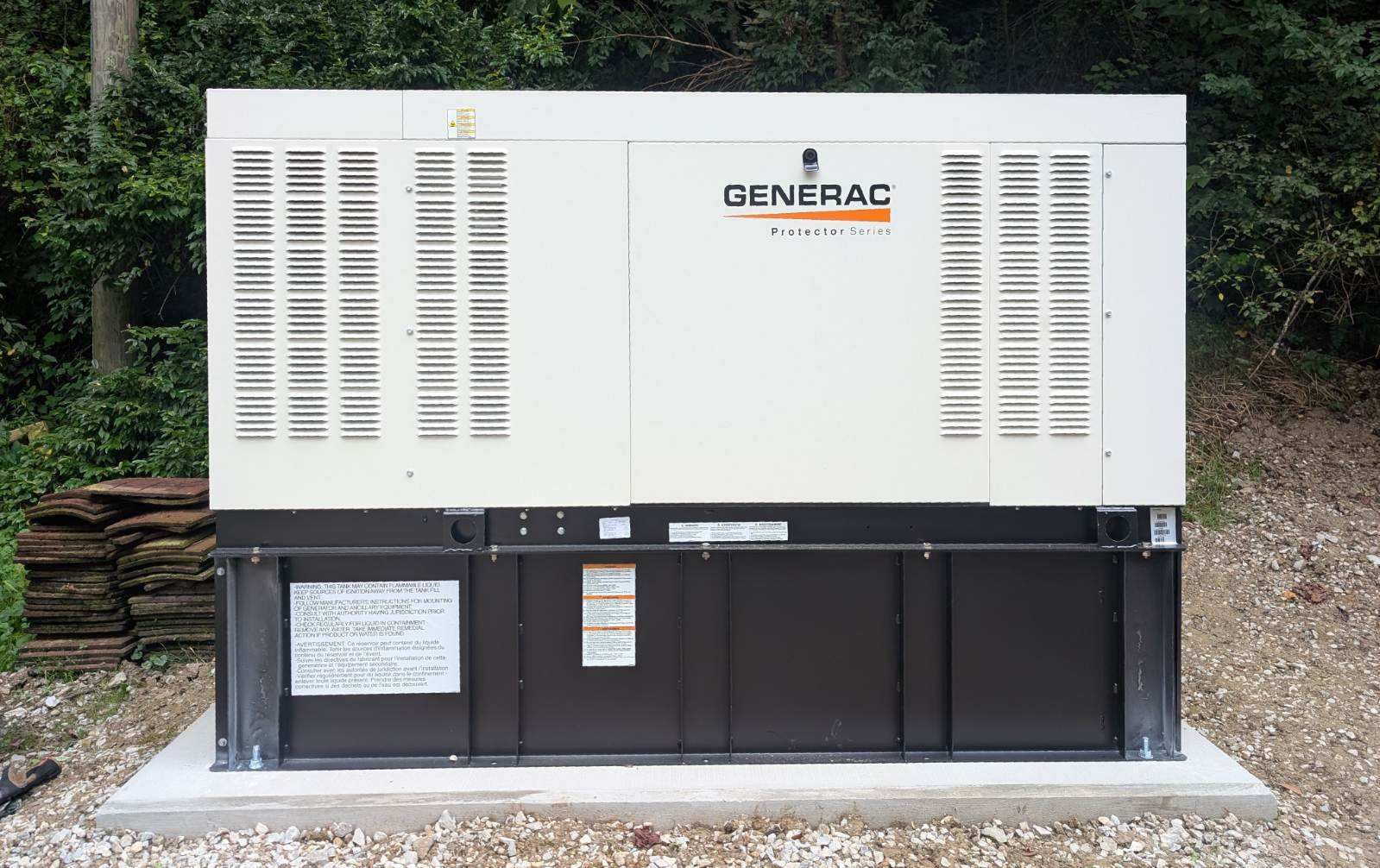
A standby generator is not a plug and play appliance that you simply drop in your backyard. Integrating heavy machinery into your existing power and fuel lines demands careful engineering and compliance with LG&E requirements. We want to outline the crucial electrical and gas line checks you must complete before finalizing any purchase. Understanding these prerequisites guarantees your backup system functions flawlessly when the next severe storm rolls through.
What We Cover In This Guide:
- Evaluating Your LG&E Gas Meter Capacity
- What size standby generator do I need to run a whole house?
- Red Flags to Watch For With Installers
- Questions to Ask Before Booking Your Installation
Evaluating Your LG&E Gas Meter Capacity
Most homes in Louisville are equipped with a standard natural gas meter designed to run a furnace, water heater, and perhaps a stove. A standby generator pulls a massive volume of gas, which often exceeds the cubic feet per hour limits of your current utility setup.
- Gas Load Data Sheet: Your contractor must submit a load data sheet to LG&E to determine if your existing meter can supply adequate fuel volume.
- Meter Upgrades: If your current meter is undersized, the utility company will need to install a higher capacity meter before the generator can be commissioned.
- Piping Distance: The distance from the gas meter to the generator dictates the pipe diameter required to maintain the strict four to six ounces of water column pressure required by the engine.
What size standby generator do I need to run a whole house?
Determining the exact size requires an electrician to perform a strict mathematical load calculation rather than relying on square footage. To run a whole house including heavy appliances like a central air conditioner, electric double oven, and well pump, you typically need a generator sized between twenty and twenty-six kilowatts. However, utilizing smart load management modules allows a slightly smaller unit to selectively shed power to heavy appliances, prioritizing essential circuits and saving you money on the initial equipment cost.
Red Flags to Watch For With Installers
Installing backup power involves dangerous combinations of high voltage electricity and pressurized natural gas. Hiring an inexperienced contractor puts your property at immense risk and can easily void your homeowner insurance policies.
- Skipping Permits: A legitimate contractor will always pull local electrical and gas permits, ensuring a municipal inspector signs off on the safety of the work.
- Ignoring Transfer Switches: If a quote fails to include an automatic transfer switch, the system cannot safely disconnect your home from the utility grid during an outage.
- No Utility Coordination: Installers who claim you do not need to contact LG&E regarding gas pressure or interconnection standards are cutting corners that will lead to equipment failure.
It is a pattern the team at Southern Solar & Electrical Contracting LLC hears regularly when severe weather strikes the Kentuckiana area.
►Client Experience: "Wire went down during the storm and we were without electric for 4 days. Called around for a quote and was luckily recommended this place. He gave me an estimate (2k less than others I asked) and was there to fix it the next day. Communication was great and clear, and paying was super easy! Definitely recommend."
Getting honest communication and fast, reliable service is exactly what Kalyn Wright experienced when facing a multi-day power emergency.
Questions to Ask Before Booking Your Installation
Protecting your investment means taking an active role in the consultation process. You need to verify how the contractor plans to handle the complex logistics of your property before signing a contract.
- Ask About Setbacks: What are the local building code requirements regarding how far the generator must be placed from operable windows and property lines?
- Ask About Cold Weather Kits: Does the proposed generator include a factory installed cold weather kit with battery and oil warmers for freezing winter nights?
- Ask About Maintenance: Does the installer offer an ongoing service contract to handle the mandatory oil changes and valve adjustments required to keep the warranty valid?
Securing Your Home Power Supply
Investing in automatic backup power provides absolute peace of mind against unpredictable weather. By verifying your gas capacity and vetting your installer carefully, you ensure your system is perfectly suited to your property. Reach out to our electrical team today to assess your home infrastructure and get your installation scheduled.
Share This Blog