Why Solar Inverters Overheat During Louisville Summer Heat Waves
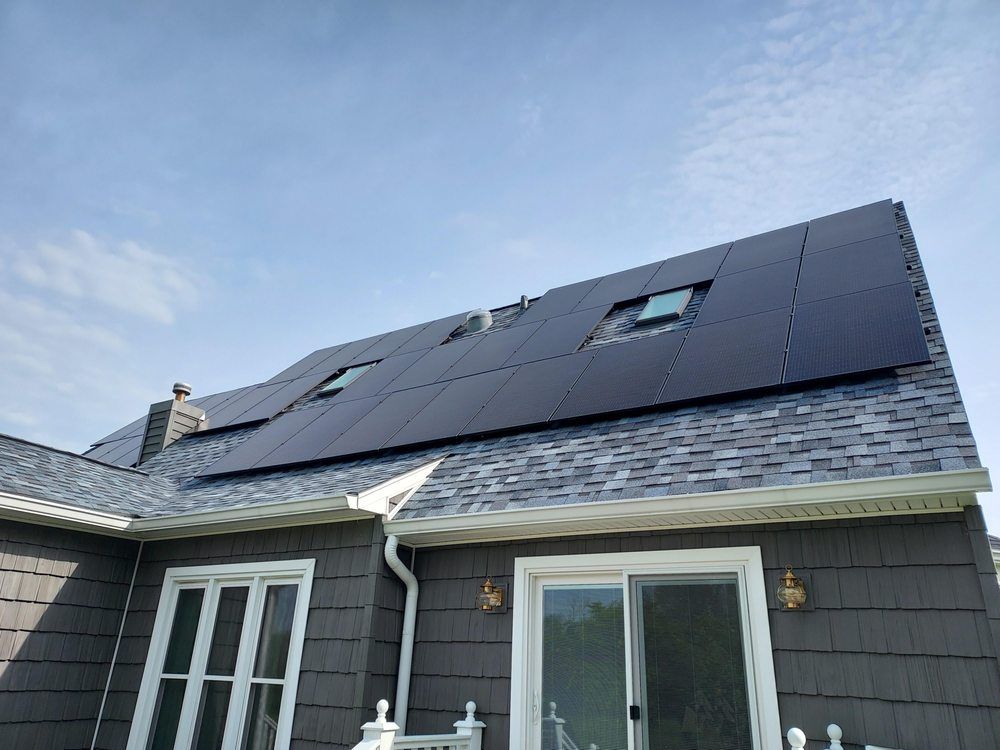
Southern Solar & Electrical Contracting LLC provides top tier residential solar services Louisville homeowners trust when the weather gets warm. Many property owners notice a sudden drop in their energy production right when the sun is shining its brightest. Property owners heavily rely on the energy credits generated during these long summer days to offset their winter heating costs. This frustrating loss of power often stems from mechanical stress rather than a lack of sunlight, making it critical to address the root cause so your system operates at peak capacity all year long.
Modern solar energy systems are built to withstand harsh outdoor environments, but extreme temperatures still impact their internal components. The central inverter acts as the brain of your setup, and it generates significant heat while converting direct current into usable alternating current. When the surrounding air temperature rises drastically, the equipment struggles to shed that internal heat into the atmosphere. We want to help you understand why this happens and how our professional team restores optimal energy flow to your property.
What We Cover In This Article
- Understanding Inverter Heat Clipping
- The Dangers of Do It Yourself Cooling Attempts
- Do solar panels lose efficiency on hot days?
- How Our Residential Solar Services Louisville Team Fixes Airflow
Understanding Inverter Heat Clipping
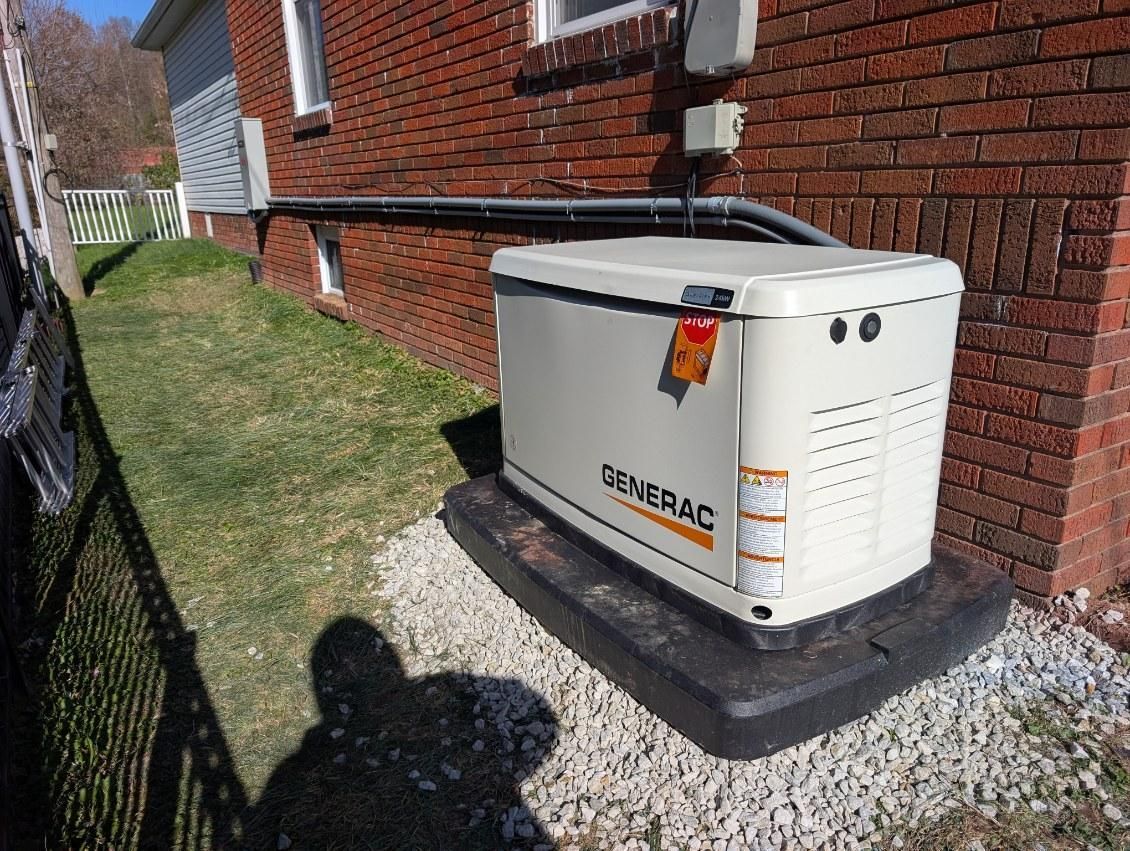
The inverter mounted on the side of your home works tirelessly to process the energy generated on your roof. Because the conversion process creates friction and thermal energy, the unit relies on passive cooling fins to release heat into the surrounding air. Passive cooling requires a significant temperature difference between the hot metal fins and the outside air to function properly. When the ambient temperature climbs too high, the air cannot absorb the heat fast enough.
The internal sensors detect this dangerous temperature spike and deliberately throttle the power output to prevent the circuitry from melting. This self preservation tactic is known as heat clipping, and it directly reduces the amount of electricity flowing into your home.
→ From a professional standpoint: A system that consistently clips during the afternoon peak is losing a significant portion of its daily generation potential and costing you money.
The Dangers of Do It Yourself Cooling Attempts
Many well meaning homeowners try to cool their inverters by spraying them with a garden hose or building makeshift shade structures. Spraying cold water onto a hot metal casing causes rapid thermal contraction that can easily crack the waterproof seals and destroy the delicate electronics inside. Building a tight wooden box around the unit restricts natural airflow and actually traps the hot air against the heat sink. Furthermore, attempting to open the inverter casing to install a fan exposes you to lethal amounts of direct current electricity.
This is something clients notice firsthand when they rely on our certified technicians for their energy needs.
► Client Experience: "Excellent solar specialists that provide friendly and high quality service along with tier one equipment. It has been one of the best decisions I've made. My panels produced 18% more than projected in the first month of operation, and the panels are warranted to 92% effectiveness after 25 years. Very impressive!"
Working with a knowledgeable team ensures your equipment is installed in the ideal location for maximum longevity, which is exactly the benefit Daniel Davis experienced.
Do solar panels lose efficiency on hot days?
Photovoltaic cells operate using light rather than heat to generate power. As the physical temperature of the rooftop panels increases, the electrical resistance within the silicon cells also rises. This natural resistance makes it harder for the electrons to flow smoothly, causing a slight drop in overall voltage production. While the panels themselves lose a small percentage of efficiency on very warm days, the more significant power loss usually occurs down at the overheated inverter.
How Our Residential Solar Services Louisville Team Fixes Airflow
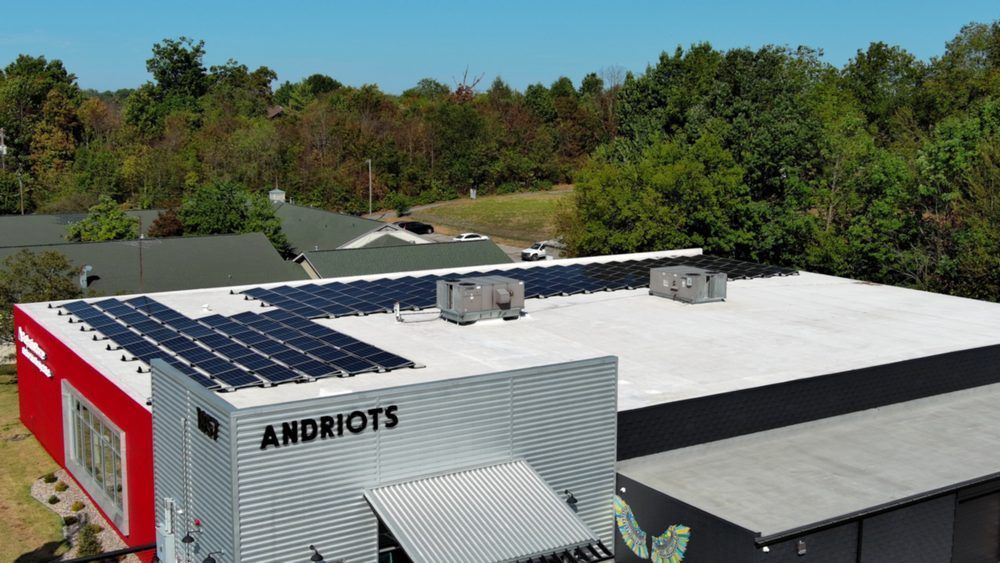
Solving a heat clipping issue requires a thorough understanding of electrical engineering and thermal dynamics. Our technicians evaluate the mounting location to see if the inverter was placed in an area that traps stagnant air, such as a tight corner near a chimney in the Highlands. We can relocate the equipment to a shaded, well ventilated wall to ensure the cooling fins operate correctly. For larger properties, we also offer commercial electrical services to optimize heavy duty power distribution setups that suffer from similar thermal limitations.
→ A quick tip to remember: Keeping the area around your inverter completely clear of tall bushes and yard debris allows the prevailing winds to naturally cool the metal casing.
Restoring Your System Performance
Protecting your renewable energy investment means ensuring the hardware can handle peak operating conditions safely. Relocating or upgrading an overheating inverter stops heat clipping and puts more power back into your household grid. Contact our team today to evaluate your solar setup and keep your energy production high all season long.
Share This Blog