How to Clear Heavy Harvest Dust From Agricultural Solar Arrays
Farming generates a massive amount of dust, especially during the busy fall harvest. When combines and tractors kick up dry dirt across Shelbyville fields, that thick dust settles directly onto your farm's solar array. At Southern Solar & Electrical Contracting LLC, we see how quickly this heavy agricultural debris blocks sunlight and tanks energy production. Clearing the grime off your panels is the only way to keep your renewable energy system working at full capacity heading into the shorter winter days.
Leaving a thick layer of field dust on your equipment forces you to rely on expensive grid power when you should be generating your own. While rain washes away light pollen, it simply turns heavy agricultural dust into a baked on mud crust. We want to provide you with the exact steps to safely maintain your farm's energy investment. Following this maintenance guide ensures you get the maximum return from the agricultural solar services Kentucky properties depend on.
What We Cover In This Guide:
- Immediate Cleaning After the Harvest
- Ongoing Maintenance Habits for Farm Arrays
- How often should agricultural solar panels be cleaned?
- Common Mistakes That Ruin Solar Panels
Immediate Cleaning After the Harvest
Getting the heavy dirt off your panels requires specific methods to protect the glass. Using the wrong tools will scratch the surface and permanently reduce the amount of sunlight the cells can absorb.
- Power Down The System: Always shut off the main inverter switches before spraying water on high-voltage electrical equipment.
- Use Deionized Water: Spray the panels with a specialized deionized water system to prevent hard water spots from baking into the glass.
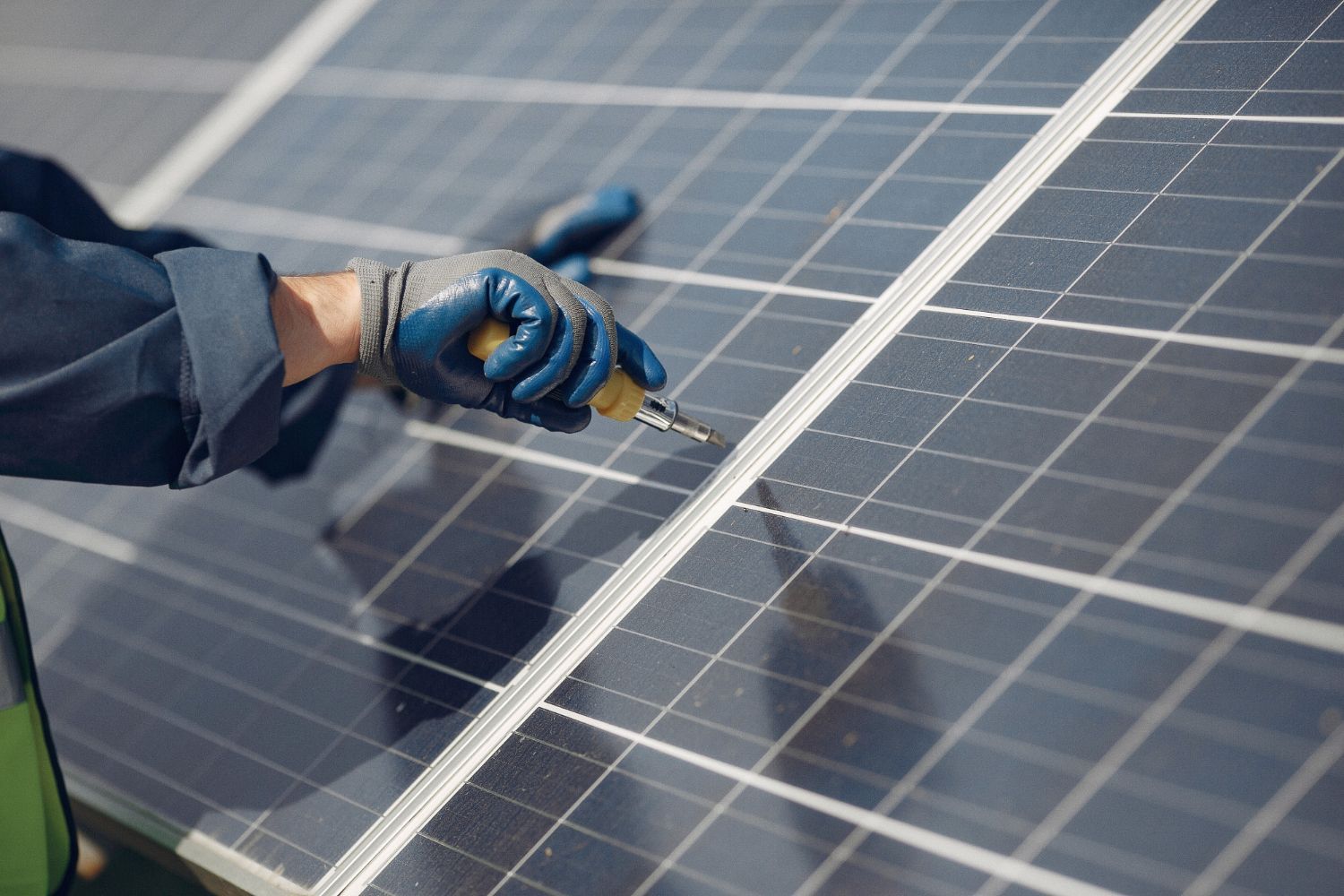
- Brush With Soft Bristles: Use an extension pole with a non-abrasive, soft-bristle brush to gently agitate the caked on mud and chaff.
Ongoing Maintenance Habits for Farm Arrays
Keeping your solar production high requires building a simple routine into your regular farm operations. Spotting issues early prevents small problems from turning into total system shutdowns.
- Monitor Daily Output: Check your solar monitoring app weekly to spot sudden drops in power generation that indicate heavy soiling.
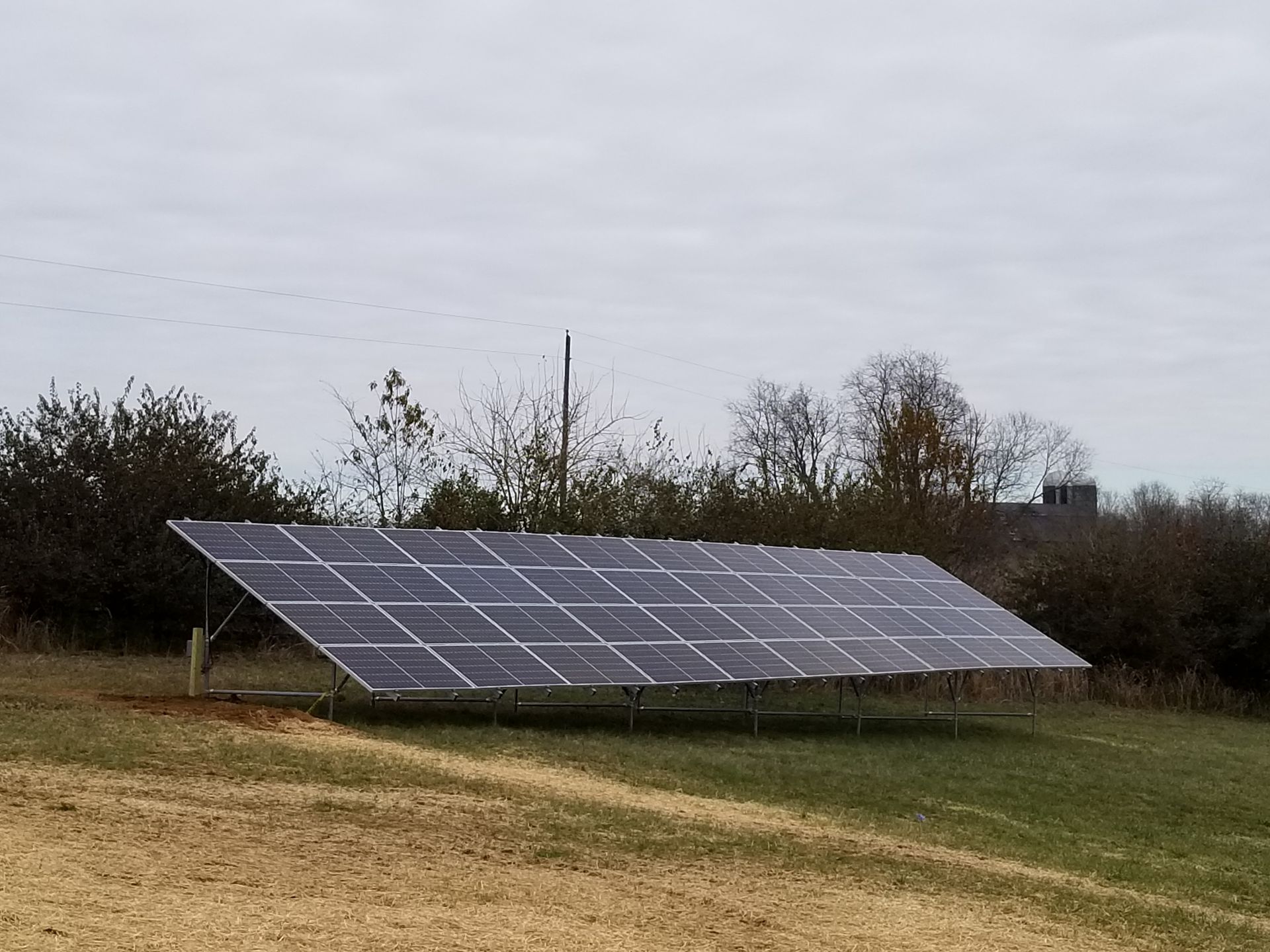
- Clear Perimeter Weeds: Keep tall grass, weeds, and climbing vines trimmed away from ground-mounted arrays to prevent hard shading on the lower panels.
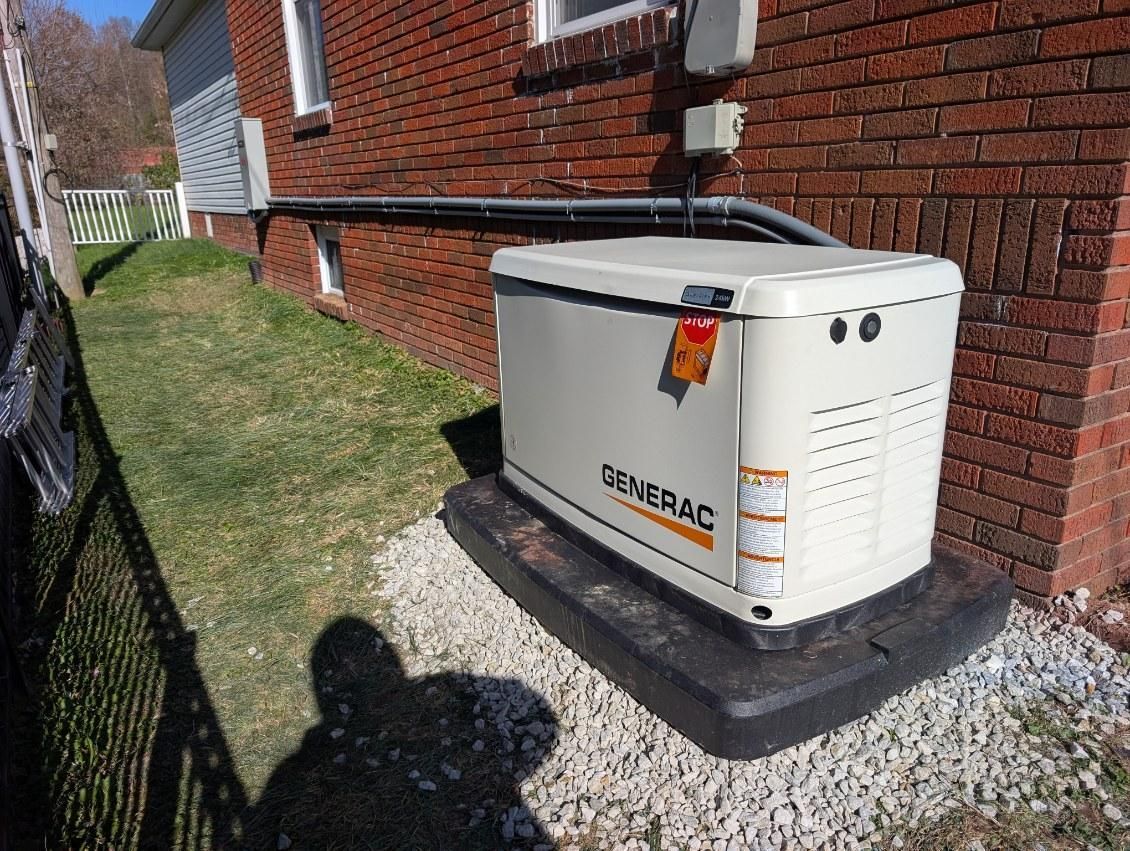
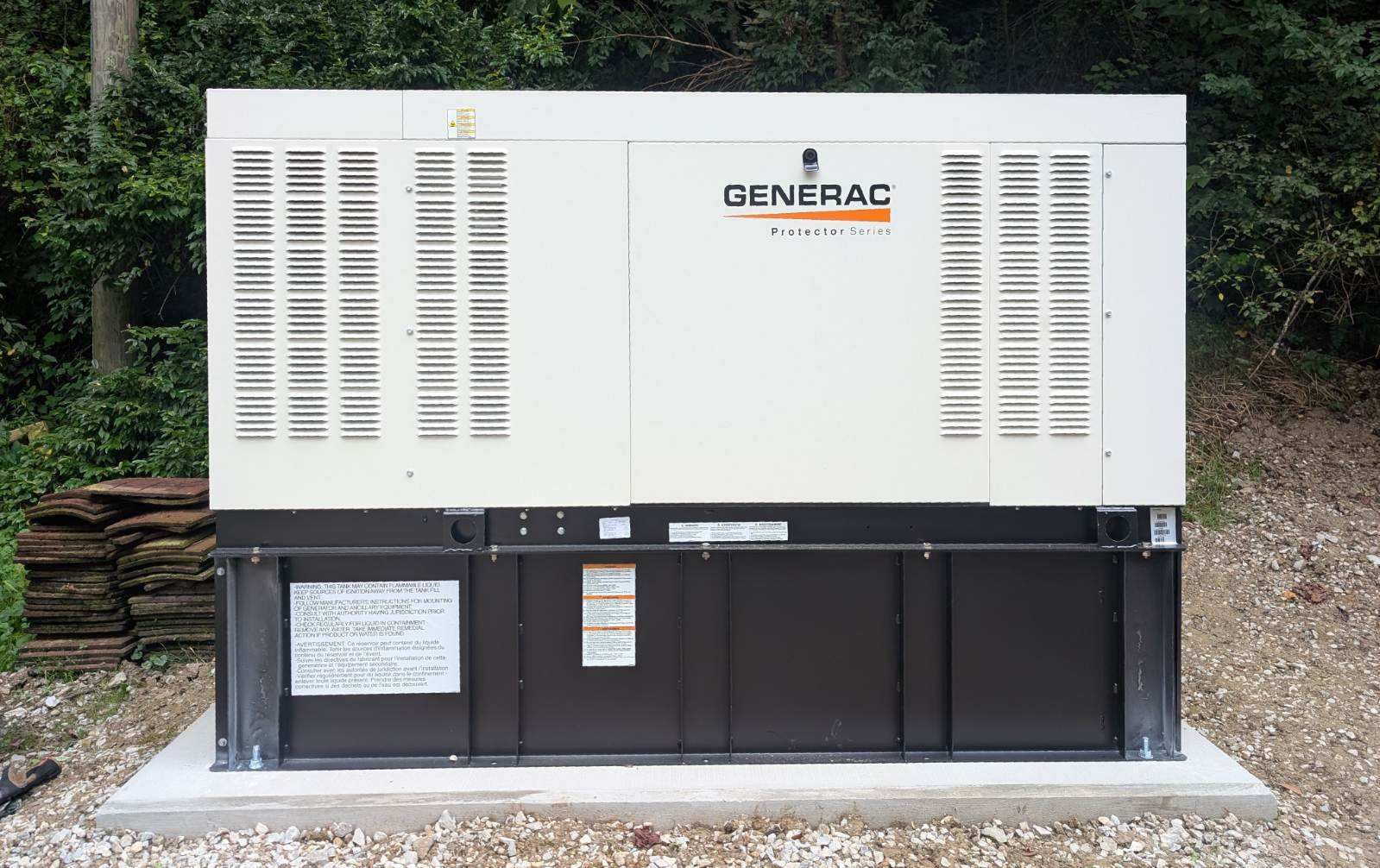
- Check Commercial Generators: Ensure your backup commercial generators are fueled and tested so your irrigation pumps never lose power during grid outages.
How often should agricultural solar panels be cleaned?
Farms require much more frequent cleaning than standard residential homes due to the sheer volume of airborne debris. In heavy agricultural zones, you should plan to clean your panels at least twice a year. The best times are right after the spring planting season and immediately following the fall harvest. If your farm is located right next to a busy dirt road or grain elevator, you may need a third cleaning mid-summer to prevent severe production drops.
Common Mistakes That Ruin Solar Panels
Many well meaning farm hands accidentally destroy expensive solar equipment by treating the panels like standard tractor glass. Knowing what to avoid is just as important as knowing how to clean.
- Using Harsh Chemicals: Never apply abrasive soaps, bleach, or standard glass cleaners to the panels, as these chemicals strip the anti-reflective coating off the glass.
- Pressure Washing The Glass: Do not use a high-powered pressure washer, because the intense force will drive water past the weather seals and destroy the electrical connections.
- Cleaning In The Midday Sun: Avoid spraying cold water onto baking hot glass in the middle of the afternoon to prevent catastrophic thermal shock and shattering.
► The single most important maintenance fact is that spraying ice-cold well water onto a hot solar panel will instantly crack the tempered glass and void your manufacturer warranty.
Protecting Your Farm's Energy Production
Maintaining a clean solar array guarantees your farm draws maximum power from the sun every single day. Staying on top of heavy harvest dust keeps your operating overhead low and your equipment running flawlessly. Reach out to our team today to discuss routine maintenance or explore expanding your current solar capacity.
Share This Blog